Small Acts, Monumental Impact
Today we dive into Micro Habits for Big Talks and Bold Ideas, turning tiny repeatable actions into unstoppable momentum. Expect practical, low-friction steps that compound courage, sharpen clarity, and amplify presence, so your message travels further, lands cleaner, and inspires action long after you leave the room or close the call.

Seeds of Daily Bravery
Confidence grows when attention meets repetition in moments that feel safe, brief, and winnable. Small, predictable actions train your voice to show up even when nerves arrive first. By gently exposing yourself to bite-sized challenges, you build familiarity with uncertainty, earn trustworthy evidence of progress, and discover that poise is not a lightning strike but a garden you water deliberately.





Designing Minutes That Multiply Your Message
Time is elastic when you choreograph micro windows. Habit stacking after existing anchors, like coffee or commute, lowers friction. Short, frequent rehearsals outpace rare marathons by leveraging spacing and context variation. With gentle prompts and tiny checkpoints, your preparation becomes a reliable sequence, not a scramble, transforming scattered effort into steady narrative lift.
From Whispered Notes to Room-Wide Resonance
Transformation rarely arrives as thunder. It starts with small promises kept. Consider a product manager who feared Q and A, then used daily micro rituals to anchor calm and clarity. Weeks later, their all-hands briefing felt relaxed yet focused, questions turned collaborative, and colleagues echoed lines verbatim. Tiny rehearsals made big listening possible.
The coffee-stained index card
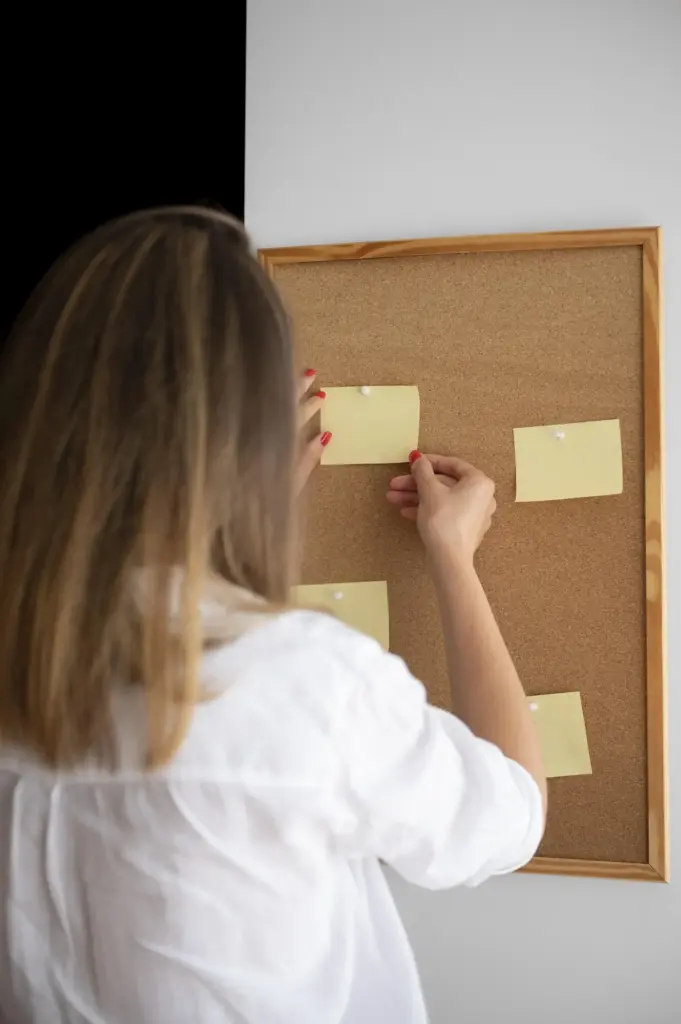
A single card carried everywhere becomes a portable rehearsal hall. Jot three openers, cross out two, reword one during queues and elevators. Over days, verbs sharpen and metaphors brighten. When the moment arrives, a practiced sentence stands ready, like a friend waiting at the door, guiding you through the first crucial breaths.
A five-breath ritual before bold ideas
Take five slow cycles with a longer exhale than inhale to cue steadiness, then silently recall your audience’s need in one friendly sentence. Many speakers find extended exhales ground attention, easing vocal release. By pairing breath with intention, you replace spiraling self-focus with service, arriving present enough to notice faces, not fears.
Recording once, reflecting twice
Hit record for a single uninterrupted run, then listen later with two passes: first for message, second for music—pauses, emphasis, and warmth. Brief notes, not judgments. This light loop builds pattern awareness without draining willpower. Improvement compounds because you are training attention, not chasing flawlessness, and the microphone quickly becomes an ally.
Nerves into Narrative
Anxiety and excitement feel similar in the body. Reframing toward opportunity can redirect energy into storytelling strength. Research on cognitive reappraisal suggests that labeling sensations as readiness helps performance. With tiny scripts, first-minute checklists, and a generous gaze, you convert jitters into purpose, shaping tension into a narrative arc instead of static noise.
Idea Factories That Fit in Your Pocket
Daily question quota
List five questions every day about your audience’s pains, hopes, or missed opportunities. Curiosity is a renewable engine. Questions expose assumptions, trigger research, and generate talk skeletons faster than statements. Revisit Fridays, star the liveliest prompts, and draft one micro outline. Inquiry-first habits produce empathy-rich angles that carry farther than clever slogans.
Constraint dice
Roll three homemade dice labeled with formats, tones, and audiences. For sixty seconds, draft a hook that fits the random combination, like data-driven for new hires, playful for alumni, or story-first for engineers. Constraints sidestep perfectionism, encourage lateral jumps, and frequently uncover novel framings you never would have chosen on a blank page.
Mixing modes: pen, voice, walk
Rotate between handwriting, quick voice memos, and brief walks. Different modes surface different ideas and phrasing textures. Movement loosens rigid thinking, while speaking drafts conversational cadence you can later polish. Keep each session tiny to avoid avoidance. The variety boosts connection density, making future synthesis smoother and surprisingly enjoyable.
Community Loops and Tiny Accountability
Ideas become stronger when tested in kind, consistent company. Small, rhythmic exchanges—brief check-ins, timed critiques, bite-sized newsletters—create an environment where feedback arrives early, resistance melts, and momentum compounds. Structure light, heart heavy. By inviting others into your cadence, you borrow courage on hard days and lend it back with interest later.

One ask per week
Send a short, specific request every week: a story from a customer, a counterexample from a colleague, or a stat from a researcher. Clear asks invite clear help. Track responses and say thank you publicly. This gentle outreach habit widens your perspective and builds a collaborative bench for future talks.

Fifteen-minute critique circles
Gather two peers for a strict timebox: five minutes to present a slice, five for clarifying questions, five for notes only on clarity, relevance, and resonance. The brevity keeps defenses low. Rotate roles, record learnings, and end with a micro commitment. Consistency matters more than breadth; intimacy sharpens candor without bruising trust.